Works
Featured
RM: Has photography changed the way you move through the world?
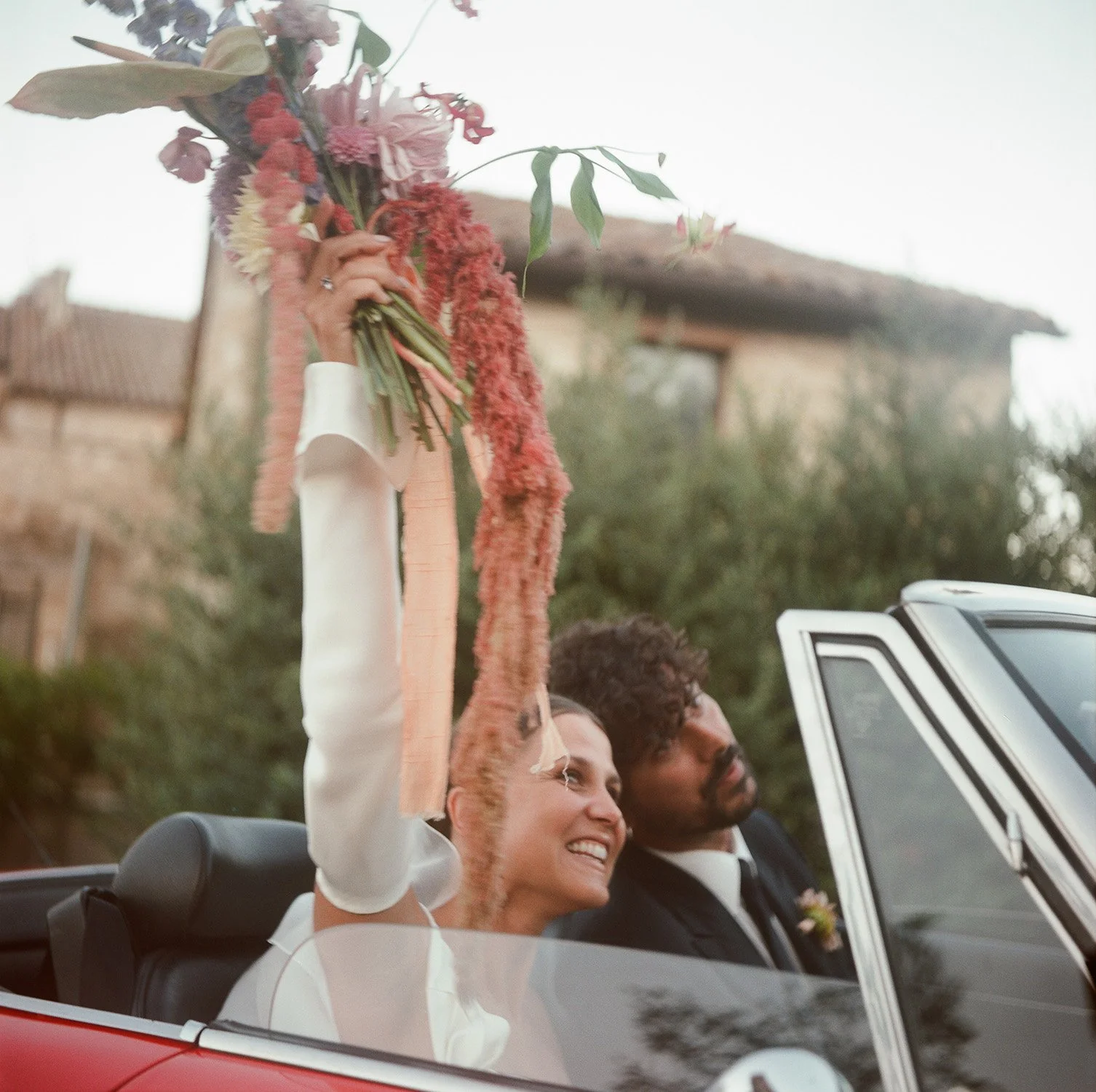
FC: Yes, it was a process; it didn’t happen overnight. When I first started photographing professionally, I would try to hide behind my photographs. I noticed it in the way that, at events, I would often photograph people from behind. Looking back, I think I was struggling to say that I was a photographer — I didn’t feel skilled enough yet to say it out loud.
Then, year after year — or season after season, when it comes to my work with weddings — I gradually lost the fear of showing myself. That also translated into a greater confidence in myself, not just in my work.
I realised how my presence could actually be a positive thing, in the sense that I could bring a sense of comfort and wellbeing to the people in front of my camera.
RM: Do you think that the discomfort with being seen has made you better at seeing or photographing other people?
FC: No, I don’t think that helped me. I think what has really helped me is my curiosity. I’m deeply curious about people; I genuinely enjoy observing them and trying to capture something of who they are.
Some time ago, I used to feel proud when a subject would tell me, “You captured exactly how I see myself.” Over time, though, I’ve realised that the greatest compliment for me is when someone tells me that I managed to capture a side of them that they don’t usually show, but that is still a part of who they are.
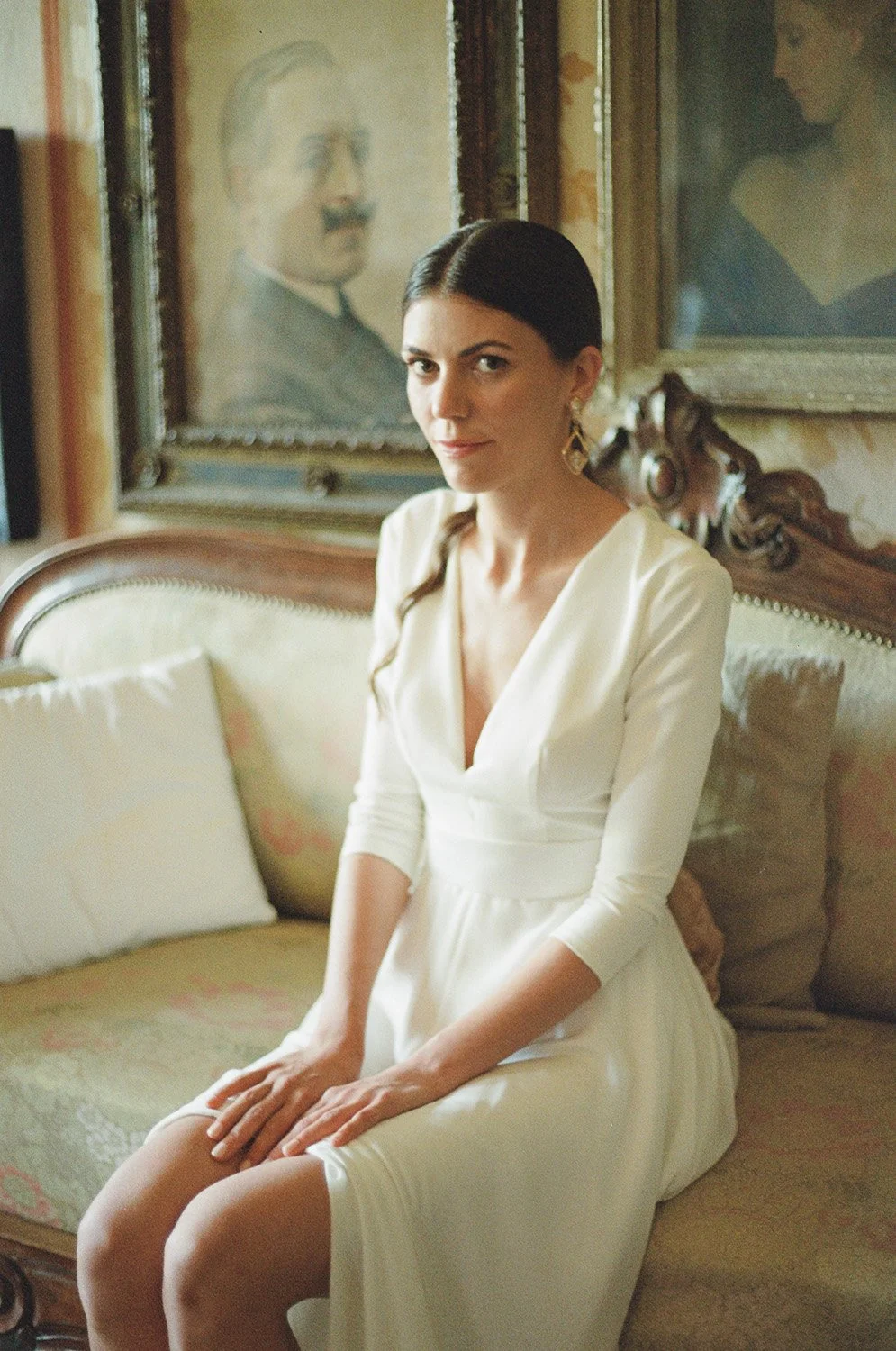
RM: You took a self-portrait on your wedding day. Why did you decide to do that even though there were a couple of photographers capturing your wedding day?
FC: I wanted to give myself a gift, and the most precious gift I know how to give is a photograph. And then I felt like seeing myself as a bride in the little waist-level finder of my Rolleiflex.
Federica Calzi was born in 1989 in Italy, where she still resides. She started taking pictures to follow her curiosity and her sensitivity to the atmosphere that is secretly owned by things. She is attracted by gestures, by the way people put objects together and choose the words they want to say or to hide. Wedding photography wasn’t among the topics she imagined to inquire into, but it just happened, and it was a revelation. It is a complex event, it lasts many hours and requires attention and care, you know nothing but the plot – you don’t know the main characters nor their attitude, you don’t know how the scenery will be lighted nor the moments the day will be composed of, but all these variables are something very fascinating to observe.
It is the same attitude as when you watch a movie – despite the time spent choosing the right title and reading about the story, the director and the cast, it always reveals surprisingly different from how you imagined it. She started to collect her wedding pictures in Argòt Studio. Argòt is a dialectal word that means “something, a part of the whole”, and it encloses a gaze that desires to be independent and caretaker, where images seem to be born out of control but in fact they are embraced by the spirit that moves her will to seek them.
AJ Tamari - Christina McNeill - Corey Torpie - Daniel Kim - Docuvitae - Dos más en la mesa - Federica Calzi - Giuseppe Marano - Joanna Brown - John Dolan
Lucy Birkhead - Malorie Kerouac - Mark Brown - Meredith Heuer - Michaella Jelin-Till - Naomi Goggin - Norwud - Olivia Rae James - Olya Vysotskaya - Ramone - Reni Maria - Tejas